Wood Green High Road: moving strategy for narrow streets
Posted on 07/05/2026
Moving on or around Wood Green High Road can feel straightforward on a map and then suddenly become a bit of a puzzle in real life. Narrow side roads, parked cars, short loading windows, awkward corners, impatient traffic, and stairs that seem to go on forever can all turn a simple removal into a careful coordination job. That is exactly why a Wood Green High Road: moving strategy for narrow streets matters.
This guide is for anyone planning a flat move, house move, student move, office relocation, or even a one-item delivery where access is tight. It covers how to prepare, what to expect, where the risks are, and how to keep things calm when the street itself is doing its best to make life awkward. Truth be told, a good moving plan in a narrow street is less about muscle and more about timing, layout, and not making avoidable mistakes.
If you want a move that feels organised rather than chaotic, start with the basics, then build the plan around the street, not the other way around.
Why Wood Green High Road: moving strategy for narrow streets Matters
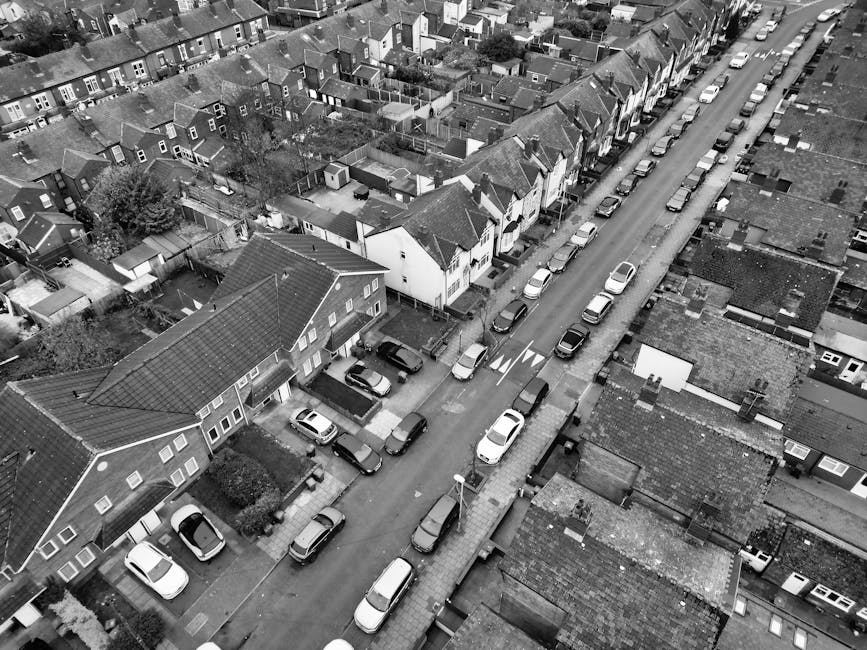
High streets and surrounding residential roads in Wood Green often have a mixed rhythm: buses, delivery vehicles, people popping into shops, and residents trying to get on with the day. That is fine until moving day, when a van needs space, a sofa needs a clean route out, and the front door suddenly feels smaller than you remembered.
Narrow streets change the whole removal process. You cannot just rely on a big vehicle turning up and making everything work. Instead, you need to think about access, parking, item size, carrying distance, and whether the route from property to vehicle is actually safe. That is the heart of the strategy.
We see this most often on jobs where the property itself is manageable but the street access is not. A move from a first-floor flat, for example, may be perfectly doable once the lifting route is planned. But if the van has to park half a street away, every box becomes more effort, every turn becomes a hazard, and everybody gets tired faster. Small issue? Not really. These things stack up quickly.
There is also the stress factor. When people feel rushed, they start carrying too much, taking risky shortcuts, or forgetting the order of loading. That is how furniture gets scraped, doors get chipped, and backs get grumpy. A thoughtful strategy reduces all of that before it starts.
For a broader look at choosing the right support, the overview on moving services in Wood Green is a useful starting point, especially if you are still deciding what level of help you actually need.
How Wood Green High Road: moving strategy for narrow streets Works
The basic idea is simple: you design the move around the street conditions, then match the vehicle, loading order, and carrying method to those conditions. In practice, that means making a few sensible decisions before the first box is lifted.
First, assess the access. Is the property on a street with tight parking? Are there yellow lines, loading restrictions, or a constant flow of traffic? Is the nearest stopping point around the corner rather than at the door? Those details matter more than many people expect.
Second, split the job into layers. Items that are light and easy to stack can go first, while awkward pieces like wardrobes, beds, and white goods need a different approach. If you have bulky furniture, it helps to review the guidance on furniture removals in Wood Green because the right handling method often saves both time and trouble.
Third, match the vehicle to the access. In a narrow street, a smaller removal vehicle can sometimes be the smarter choice because it is easier to position and less likely to block traffic. A man with a van in Wood Green service is often chosen for exactly this reason: flexibility.
Fourth, plan the carry route inside and outside the property. Measure doorways, note low ceilings, look out for tight turns, and check whether anything has to be removed before the main move. A bed frame that comes apart cleanly can save a lot of huffing and puffing later. If you are moving one, the tips in this mattress and bed moving guide are well worth a look.
Finally, decide what should happen before the move itself. Declutter, pack properly, label clearly, and keep a small access kit ready. It sounds basic, but basic is often the difference between smooth and painful. If you want a calm approach to the whole process, this stress-free moving guide fits nicely with the wider strategy.
Key Benefits and Practical Advantages
The biggest benefit of a narrow-street moving plan is simple: fewer surprises. You know where the bottlenecks are, so you can prevent delays before they happen. That makes the move feel less like a scramble and more like a controlled sequence.
Here are the main advantages:
- Shorter loading times because items are prepared in the right order.
- Reduced risk of damage to furniture, walls, stairwells, and vehicle interiors.
- Less physical strain because carrying distances and item sizes are planned in advance.
- Better traffic awareness when stopping space is limited and timing matters.
- Cleaner coordination between packing, lifting, transport, and unloading.
- Lower stress because nobody is making decisions on the fly every five minutes.
There is also a financial side, even if people do not always notice it straight away. A move that is properly planned is less likely to involve extra waiting, repeated trips, or last-minute problem solving. You may not save money in a dramatic way every single time, but you often avoid the sort of waste that creeps in through delays and poor packing.
And yes, a narrow-street strategy can also protect your sanity. That counts. Especially on a damp London morning when the pavements are busy and the kettle has long since gone cold.
If you are comparing support options, the page on man and van services in Wood Green may help you decide whether a smaller, more adaptable setup suits your move.
Who This Is For and When It Makes Sense
This approach makes sense for anyone moving in, out of, or through a tight-access area near Wood Green High Road. But some people benefit more than others.
It is especially useful if you are:
- moving from a flat with stairs or a narrow hallway;
- parking is limited near your property;
- moving large or awkward items such as sofas, beds, or a piano;
- working to a same-day deadline;
- moving as a student and trying to keep things simple;
- relocating an office or small workspace where access disruption needs to be kept low;
- trying to keep the move affordable without cutting corners on safety.
Students often underestimate how awkward a narrow-street move can become, especially if they have a mix of boxes, bags, and one oversized item that does not fit neatly into anything. For that reason, student removals in Wood Green can be a very practical option when time and access are both tight.
It also makes sense for anyone dealing with specialist items. A piano, for example, is not just another heavy object. It is delicate, weighty, and unhelpful if handled badly. In those cases, the advice in when to step aside for piano-moving specialists is worth taking seriously. Same goes for sofas, which can be far more awkward than they look.
Step-by-Step Guidance
Below is a practical sequence that works well when access is tight. It is not glamorous, but it does work.
- Survey the route
Walk from the property to the likely van stop point. Notice kerbs, parked cars, low branches, steps, awkward corners, and anything that would slow a carry. - Measure the awkward items
Measure large pieces of furniture and compare them against doorways, lifts, stair turns, and hall widths. Do not guess. Guessing is how wardrobes become problem children. - Decide what to dismantle
Flat-pack furniture, bed frames, and shelving often move better when partially disassembled. Keep screws and fittings in labelled bags. - Declutter before packing
Less stuff means fewer trips, fewer boxes, and less congestion in the property. If you need a tidy way to approach this, this decluttering guide is a solid companion. - Pack for load order
Boxes should be stable, labelled, and not overfilled. Heavy items go in small boxes. Light but bulky items can use larger boxes if they are not flimsy. - Protect the route inside the property
Use blankets, covers, or floor protection where needed. Narrow stairs and sharp corners are where knocks usually happen. - Book the right vehicle and time slot
A smaller vehicle or flexible arrival window may be more useful than a huge van that cannot stop safely. Sometimes less is more. Simple as that. - Prepare an access bag
Keep keys, phone, tape, bin bags, marker pen, snacks, and water in one easy-to-grab bag. It sounds obvious until you are already in the middle of a move and nobody can find the tape. - Load in a sensible sequence
Heavier items and large furniture usually go in first, followed by boxed items and fragile pieces. Keep what you will need first at the back of the van or clearly accessible at destination. - Unload with the destination in mind
Know where the bed, sofa, freezer, or office desk will go before it arrives. A room full of boxes is not the best place to be making furniture decisions.
That sequence becomes even smoother if you have already got your packing sorted. The guide at packing simplified for moving house is a handy reference when you want to avoid the classic box chaos.
Expert Tips for Better Results
Here is where the move gets easier, because a few small decisions can make a surprisingly big difference.
Keep the load count realistic. If you have underestimated how many boxes you really have, narrow streets will expose that quickly. Better to know early than to discover it when the van is already half full.
Use smaller boxes for dense items. Books, records, and kitchenware are perfect examples. A heavy box is harder to carry through tight spaces and much more likely to be dropped or scraped.
Protect corners and edges. Hallway corners, banisters, and van edges all take damage easily. A little wrapping goes a long way. To be fair, this is one of those boring steps that saves the day later.
Think about the order of rooms. If you know the destination is compact, place items by room as they are unloaded. It reduces standing around and stops boxes piling up in the wrong place.
Do not overestimate solo lifting. One strong person still has one back. If an item feels too awkward, too wide, or too unstable, get help. The article on safe heavy lifting solo explains why caution beats bravado every time.
Know when storage is the smarter move. Sometimes narrow access and timing do not line up neatly. If you need to move out before the new space is ready, short-term storage can be the practical bridge. The storage options in Wood Green page is useful when your move has a gap in the middle.
One more thing: if you have a freezer, sofa, or other item that is not going straight to its final room, it is worth thinking through how it will be stored. For example, the advice in this freezer storage guide and this sofa storage article may help preserve the item and reduce avoidable wear. Small detail, big payoff.

Common Mistakes to Avoid
Narrow-street moves tend to go wrong in predictable ways. Once you know the patterns, you can sidestep them. Nice when that happens.
- Leaving vehicle access to chance. If you assume the van will simply find a space, you may lose time before the move has even properly started.
- Overpacking boxes. A box that is too heavy is harder to carry through a tight entrance and more likely to burst.
- Ignoring dismantling opportunities. A table leg or bed frame removed in advance can save a lot of squeeze-and-shift frustration.
- Failing to label boxes by room. In a cramped property, that creates a second round of moving later. Nobody enjoys that.
- Blocking the route inside the home. A hallway full of loose bags or half-packed boxes slows everything down and increases trip risk.
- Assuming all specialist items move the same way. A piano, for instance, needs a different level of care than a standard side table.
- Starting too late. Narrow streets are less forgiving of last-minute packing because every delay makes the logistics tighter.
Moveout cleaning is another point people overlook. If you are leaving a property in a narrow street, the pressure to finish quickly can make the cleaning stage feel secondary. But once the furniture has gone, the marks and dust become more obvious. A helpful refresher is this moveout cleaning routine, which can save you a final-day scramble.
Tools, Resources and Recommendations
You do not need a warehouse full of equipment to manage a narrow-street move. But a few practical tools make life a lot easier.
| Tool or resource | Why it helps | Best used for |
|---|---|---|
| Furniture blankets and covers | Helps reduce scratches and knocks in tight hallways | Tables, sofas, wardrobes, appliances |
| Strong tape and marker pens | Keeps boxes sealed and clearly labelled | Room-by-room packing |
| Small and medium boxes | More manageable in narrow spaces than oversized boxes | Books, kitchen items, paperwork |
| Furniture sliders or moving straps | Can help on smooth indoor floors when used properly | Heavy but movable household items |
| Storage option | Bridges timing gaps and reduces pressure on move day | Delayed completions, downsizing, staged moves |
There is also a human-side resource that is easy to overlook: a tidy, realistic plan. If your move is spread across several rooms or a mix of service needs, the page on removal services in Wood Green can help you think through what the move actually requires. Sometimes the best tool is simply choosing the right kind of help.
If you are moving only a few items, a removal van in Wood Green may be all you need. If you are moving a whole flat or house, a fuller service can be better value because it reduces the number of separate decisions you have to make.
Law, Compliance, Standards, or Best Practice
Moving on narrow streets is not usually about complex legal issues, but there are still important best-practice points. Parking restrictions, loading rules, access rights, building rules, and safety expectations all matter. The exact position can vary depending on the property, road layout, and any local restrictions in place, so it is sensible to check practical access details early rather than assuming everything will be fine on the day.
From a safety point of view, the main aim is to reduce risk to people, property, and vehicles. That means sensible lifting techniques, clear walkways, careful handling of heavy goods, and honest judgement about when an item needs specialist support. In UK moving practice, that sort of care is not overkill; it is simply good workmanship.
Professional movers also tend to work with insurance, risk awareness, and operational planning in mind. If you are comparing providers, it is worth understanding how they handle safety and cover. The pages on insurance and safety and health and safety policy are sensible places to check before booking, especially if you are moving anything valuable or awkward.
Clear terms matter too. It is never thrilling reading, granted, but the practical details in terms and conditions and pricing and quotes can help you avoid misunderstandings later. That is especially helpful on tighter-access jobs where timing and service scope matter a lot.
And if sustainability matters to you, a move is a good time to think about reuse, recycling, and reducing waste. The page on recycling and sustainability is useful if you are decluttering responsibly rather than just shifting everything from one place to another.
Options, Methods, or Comparison Table
Not every narrow-street move needs the same solution. The best approach depends on how much you are moving, what you are moving, and how limited the access is. Here is a simple comparison to make the choice clearer.
| Method | Best for | Strengths | Limitations |
|---|---|---|---|
| DIY move | Very small loads, flexible timing | Lower upfront cost, full control | More physical effort, higher risk in tight access, slower if parking is awkward |
| Man and van | Small to medium loads, local moves, tight streets | Flexible, practical, easier to position | May not suit very large or complex relocations alone |
| Full removal service | Whole-house moves, heavy furniture, complicated access | More support, better coordination, less stress | Usually more involved than a simple van booking |
| Split move with storage | Staggered timings, downsizing, renovation gaps | Reduces pressure, gives breathing room | Requires extra planning and possibly an extra step in the process |
For flats in particular, the access logic is often different from a house move. Shared stairwells, limited parking, and neighbours coming and going all shape the plan. If that is your situation, the dedicated flat removals service in Wood Green is worth considering alongside the general moving plan.
Likewise, larger home moves may benefit from a more structured setup. The page on house removals in Wood Green helps if your move involves multiple rooms, family furniture, and a longer loading window.
Case Study or Real-World Example
Picture a typical move from a one-bedroom flat just off Wood Green High Road. The property is on an upper floor, the street outside is narrow, and parking is tight enough that a van cannot simply sit outside the entrance all day. There is a sofa, a bed, a small freezer, about two dozen boxes, and a couple of awkward shelving pieces that looked simpler in the shop than they do now.
The mistake would be to treat it like a broad suburban driveway move. Instead, the workable plan is different: the bed frame is dismantled the day before, boxes are labelled by room, the freezer is prepared properly, and the van is booked with enough flexibility to allow a short carry from the nearest safe stop point. Heavy items go first, fragile pieces are separated, and the hall is kept clear. Nothing dramatic. Just sensible sequencing.
In a job like that, the difference between a calm move and a messy one usually shows up in the first ten minutes. If the load is ready, the route is clear, and the team knows which item is next, the move starts to flow. If not, you get the shuffle, the backtracking, and the feeling that everyone is always one step behind. Nobody wants that. Not really.
Sometimes the best choice is to stage the move. For example, if the new property is not ready or a room needs clearing first, short-term storage can keep the move from getting cramped. That is where storage in Wood Green becomes more than a convenience; it becomes part of the strategy.
Practical Checklist
Use this checklist a day or two before moving day. It is simple, but it catches the things people forget when they are busy.
- Confirm the collection and delivery addresses.
- Check for narrow turns, parked cars, and likely stopping points.
- Measure the largest furniture pieces and main doorways.
- Dismantle anything that will not move safely in one piece.
- Label boxes clearly by room and priority.
- Keep fragile and heavy items separated.
- Prepare floor and wall protection if needed.
- Make sure keys, documents, and essentials are easy to reach.
- Set aside snacks, water, tape, and a marker pen.
- Confirm whether you need help with special items or storage.
- Review safety and insurance details before booking.
- Leave a clear route from the property to the vehicle.
If you are still early in the process, a little decluttering can make a surprising difference. The guide on efficient decluttering for moving is a neat way to shrink the workload before it gets out of hand.
Expert summary: the best narrow-street move is usually the one that looks boring from the outside. It is measured, unpacked in the right order, and built around access rather than wishful thinking. Boring is good here.
Conclusion
Wood Green High Road and the surrounding narrow streets reward planning. If you respect the access, simplify the load, and choose the right moving method, the whole process becomes much less stressful. That does not mean every move will be effortless. It just means you are not fighting the street as well as the furniture.
Whether you are moving a flat, a family home, a student room, or a few awkward items, the same principles apply: plan the route, pack properly, keep the load manageable, and avoid last-minute improvisation where possible. A bit of structure goes a long way. More than people think, actually.
If you want help making the move practical from the start, compare your options, think through your access needs, and choose the service level that fits the street as well as the property. That is the real trick.
Get a free quote today and see how much you can save.
And if you are still at the planning stage, take a breath. A narrow street is a challenge, yes, but it is a manageable one with the right approach.