Turnpike Lane removals: access, stairs and timing advice
Posted on 10/06/2026
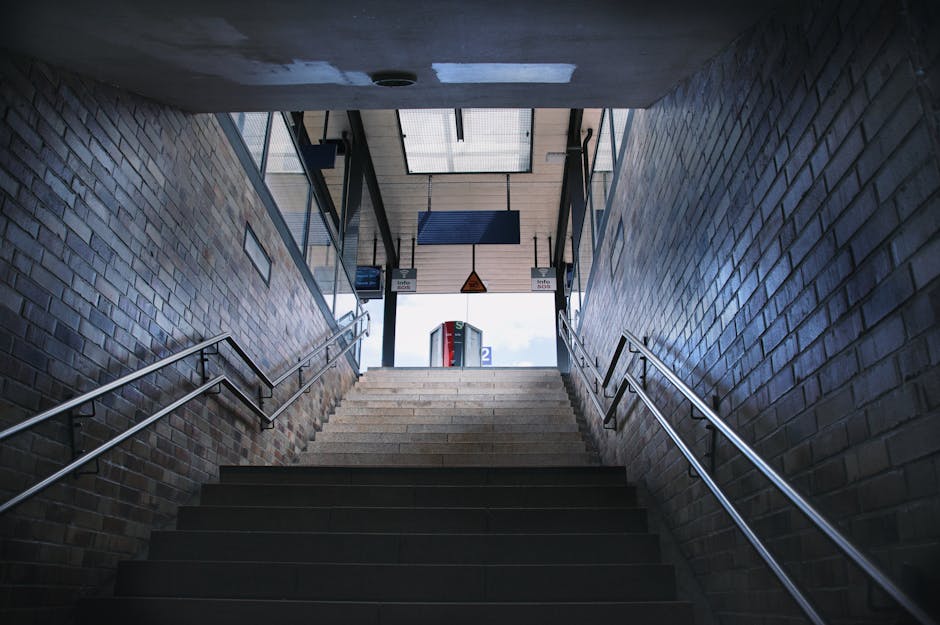
![A set of outdoor concrete stairs with metal railings on both sides, leading up to an elevated platform or rooftop. The stairs are weathered, with visible signs of wear and patches of moss or algae on the surface. The railing sections are metallic and painted in a dark color, with horizontal bars providing support. The sky above is overcast, with a cloudy grey tone, indicating a dull weather day. This scene could be part of a residential or commercial building, illustrating the type of access involved in home relocations or furniture transport. [COMPANY_NAME] may assist with navigating such access points during house removals or moving services, ensuring safe and efficient furniture transport and packing during a home relocation.](/pub/blogphoto/turnpike-lane-removals-access-stairs-and-timing-advice1.jpg)
Moving in Turnpike Lane can be straightforward on paper and a bit more awkward in real life. One minute you are picturing boxes lined up neatly by the door; the next you are checking a narrow stairwell, wondering where the van can stop, and trying to avoid moving a sofa at the exact moment the street gets busy. That is why Turnpike Lane removals: access, stairs and timing advice matters so much. Good planning does not just make the day calmer, it protects your furniture, your neighbours, and frankly your back.
This guide brings together the practical details that often decide whether a move runs smoothly or becomes a scramble. We will look at access issues, stair challenges, the best times to move, and the small decisions that make a big difference in N22. If you are moving a flat, a family home, or an office nearby, the advice below should help you avoid the common headaches and feel properly prepared.
Why Turnpike Lane removals: access, stairs and timing advice Matters
Turnpike Lane sits in a part of North London where moving day often depends on details that people only notice when they are already carrying something heavy. Access can be tight, parking can be awkward, and older buildings may have narrow staircases, awkward bends, or shared entrances that were clearly not designed with wardrobes in mind. You do not need a dramatic problem for the day to slow down; a small one is enough.
That is the real reason access planning matters. It affects how long loading takes, whether extra lifting is needed, and whether an item can be moved safely by two people or needs more specialist handling. A move that looks easy from the street can turn into a puzzle once you are inside the building. If you have ever stood at the bottom of a stairwell thinking, "Well, this looked bigger in the listing photos," you will know the feeling.
Timing is just as important. Arriving too early can leave you waiting for keys, access codes, or a parking space. Arriving too late can mean traffic, pressure from neighbours, and a rushed load-out. In busy parts of N22, the best removals are usually the ones where the schedule is realistic rather than optimistic. Slightly boring planning, yes. But it works.
For many moves, the difference between stress and control comes down to one simple question: how will the van, the crew, and the furniture all fit together in the space available? Once you answer that properly, everything else becomes easier. If you want broader planning support, it can also help to read about creating a calmer house move and decluttering before moving day.
How Turnpike Lane removals: access, stairs and timing advice Works
In practice, a well-run move in Turnpike Lane starts with a short assessment of the property and the route from front door to van. That assessment should cover the obvious things, but also the annoying little ones: which staircase is used, whether there is a lift, how many turns are on the landing, whether the front door opens fully, and where the vehicle can safely stop without blocking traffic or causing trouble for neighbours.
A good removals plan usually follows three stages:
- Access check - confirm parking, entry points, floor levels, and any restrictions around the building or street.
- Item planning - identify awkward or heavy items such as beds, wardrobes, sofas, white goods, and fragile pieces.
- Timing plan - build the move around key moments such as key collection, lift access, quieter traffic windows, and building rules.
The access check is where many delays are prevented. If a van cannot pull up close, carry distances get longer. That means more time, more effort, and a greater risk of knocks or scrapes. Stairs add another layer. A straight staircase with good headroom is one thing; a narrow Victorian stair with a turn at the half-landing is quite another. Sometimes the item goes through fine. Sometimes it needs to be angled, padded, or even dismantled first. Not ideal, but that is the real world.
Timing advice is more than just "start early." It is about matching the move to the conditions. A ground-floor move with easy street access may suit a quick morning slot. A fourth-floor flat with shared entrances and busy local traffic may need a calmer window, more hands, and a little breathing room. For packing and load order, the guide to moving-house packing is a useful companion piece.
One thing that tends to surprise people: the quickest move is not always the one that starts first. It is the one where the access plan is realistic and the van is in the right place at the right time. Simple, but easy to miss.
Key Benefits and Practical Advantages
When you plan around access, stairs, and timing properly, the benefits are felt almost immediately. The move feels less chaotic, the team spends less time improvising, and the risk of damage drops. That matters whether you are handling a small flat or a full family home.
- Less carrying distance means faster loading and lower strain on everyone involved.
- Better stair management reduces the chance of bumps, scrapes, and awkward mid-flight manoeuvres.
- Smarter timing helps you avoid traffic peaks, key delays, and building access bottlenecks.
- Cleaner coordination makes it easier for friends, family, or professionals to work together without confusion.
- Lower stress is maybe the biggest one, even if it does not show up on a checklist.
There is also a quieter benefit: better decision-making. Once you know the access situation, you can decide whether something should be dismantled, wrapped differently, moved separately, or left to specialists. For example, a heavy bed frame might be manageable if disassembled first, while a piano or especially awkward sofa may be best handled differently. If that sounds familiar, you may also find DIY bed and mattress moving tips and specialist piano moving advice genuinely helpful.
In busy residential pockets around Turnpike Lane, efficiency is not just a nice extra. It keeps the move moving. And to be fair, everyone appreciates a job that feels organised rather than theatrical.
Who This Is For and When It Makes Sense
This advice is useful for anyone moving in or around Turnpike Lane, but it is especially valuable if your property has stairs, limited access, or time-sensitive conditions. That includes flats above shops, maisonettes, student lets, older terraces, and homes where parking is not immediately outside the door.
It also makes sense if you are moving:
- from a top-floor flat with no lift
- with large furniture that does not easily turn corners
- on a tight schedule, such as a same-day handover
- with children, pets, or vulnerable family members needing a calm setup
- with shared building access, concierge rules, or limited loading windows
Students and renters often underestimate access problems because the move itself seems small. Truth be told, a "small" move can be the fiddliest one if it involves steep stairs, a tight hallway, and a van that must be parked a short walk away. On the other hand, families moving from larger properties may assume they need a huge operation when a clear plan and the right vehicle are enough.
If you are weighing up whether to hire help, look at the access first, not the volume of boxes. A modest load can still be awkward. For broader service options, the page on removals in Wood Green and the overview of available moving services can help you see where your move sits.
Step-by-Step Guidance
A reliable move in Turnpike Lane usually follows a simple, practical sequence. It does not need to be flashy. It needs to be clear.
- Measure and walk the route
Check the front door, hallways, stair width, landings, and the route from the property to the van. Watch for low light, tight turns, or decorative features that catch corners. A quick walk-through with your phone flashlight can reveal more than a photo ever will. - Identify problem items early
Mark anything bulky, fragile, or unusually heavy. Sofas, wardrobes, mattresses, mirrors, washing machines, and pianos all deserve a plan of their own. This is not the time to be casual about it. - Decide what should be dismantled
Flat-pack furniture, bed frames, and some shelving units move far more safely when broken down first. If an item would struggle on the stair turn, dismantle it before moving day rather than discovering that problem mid-carry. - Book the right time slot
Match the move to building access, parking conditions, and key collection. Morning often works well, but not always. If your building gets busy during school drop-off or commuter time, a later or earlier slot may be smarter. - Reserve space for the vehicle
Make sure the van can stop legally and safely. Even a short extra walk can slow the whole job down. If parking is uncertain, build in margin. Always. - Load in the right order
Put the heaviest and least fragile pieces in first, then stack lighter items around them. Keep items needed first at the end of the load so they are easy to reach at the new place. - Protect stairs and corners
Use blankets, corner protection, and good lifting technique. If a staircase is tight, one person should guide while the others move steadily. No rushing on stairs. That is where daft mistakes happen. - Leave room for a buffer
Even a well-planned move benefits from a little slack in the schedule. Thirty minutes can save the day if keys are late or traffic is heavier than expected.
If you are also moving items into storage, planning gets even better when you understand your storage options in advance. You might find storage in Wood Green useful when the timing between leaving one home and entering the next is not perfectly neat. Rare that life is neat, after all.
Expert Tips for Better Results
Here are the small details that make a big difference on real moving days. These are the things people often learn the hard way. Better to learn them here, honestly.
- Photograph stairwells and entrances in advance. A few images help with planning and avoid the "we thought it would fit" conversation later.
- Label items by room and priority. If a box is needed first, say so clearly. Kitchen essentials should not end up buried behind winter coats.
- Use proper lifting technique on every step. Stairs change the balance point of heavy items, so slow and steady beats speed every time.
- Keep hallways clear. One open bag, one loose shoe, one random lamp stand - that is all it takes to create an obstacle.
- Wrap corners and handles. Door frames and bannisters are easily marked during tight turns.
- Keep communication short and clear. On stairs, people should know exactly who is moving, who is spotting, and when to pause.
It also helps to think about the new property before you arrive. Where will the first boxes go? Which room gets set up first? Is there somewhere dry for items while you make space? If the plan is clear, the unload feels much smoother. For packing materials and box selection, packing supplies in Wood Green is a practical place to start.
One small but useful habit: keep a separate "first hour" box with kettle, mugs, phone charger, toilet roll, medication, and a basic tool kit. You will thank yourself later when the room is full of boxes and nobody wants to dig for a phone cable at 8.15pm.
Common Mistakes to Avoid
Most moving problems in Turnpike Lane do not come from one huge mistake. They come from several small ones made at the same time. A bit of optimism, a narrow stairwell, and a van parked a little too far away - that is the sort of mix that turns a tidy plan into a long day.
- Assuming access will be fine without checking. This is the classic one. It often turns out the stairwell is tighter than expected or the van cannot stop where you hoped.
- Leaving bulky items assembled. Large furniture is much harder to move safely when it is still in one piece.
- Booking at the wrong time of day. Commuter traffic, school runs, and local congestion can all add delays.
- Ignoring loading distances. If the walk from door to van is longer than expected, your timetable changes instantly.
- Not protecting shared spaces. Stair rails, walls, and landings can take a beating if everyone is squeezing through at once.
- Trying to move items that are too heavy for the conditions. Sometimes the issue is not the weight itself, but the stairs plus the weight. That combo can be rough.
One subtle mistake is not telling people what matters most. If you need the bed to be reassembled first, say that. If the fridge must stay upright, say that. If the narrow stairwell means a sofa has to go first, say that too. Clear instructions save time and reduce frustration. And yes, they save a few sighs as well.
For anything especially heavy, awkward or risk-prone, it is worth reading about safe solo heavy lifting before making a decision. Sometimes the best decision is to step back a little.
Tools, Resources and Recommendations
You do not need a warehouse full of equipment, but a few well-chosen tools make access and stair moves much easier. The goal is control, not heroics.
| Tool or resource | Why it helps | Best used for |
|---|---|---|
| Furniture blankets | Protects corners and finishes from knocks and scrapes | Sofas, tables, wardrobes, white goods |
| Strong tape and labels | Keeps packing organised and easy to identify | Room labelling, box grouping, first-day essentials |
| Basic dismantling tools | Lets you remove legs, shelves, or frames before the move | Beds, flat-pack furniture, shelving units |
| Gloves with grip | Improves hold and reduces accidental slips | Stairs, damp weather, heavy cartons |
| Clear route plan | Reduces confusion on the day | Any property with limited access or shared entry |
Recommendations should be matched to the move, not the other way round. A simple man and van setup might suit a smaller flat move with manageable stairs, while a larger house move may benefit from a fuller team and a larger vehicle. If you are unsure, compare options rather than guessing. The page on man and van services in Wood Green is useful for smaller, flexible moves, while house removals in Wood Green fits larger, more complex jobs.
For items that are simply not worth risking on narrow stairs, specialist support can be the right call. That is especially true for delicate, bulky, or unusually valuable pieces such as pianos or certain furniture pieces. If you need more tailored support, consider furniture removals and the more specialist piano removals service.
Law, Compliance, Standards, or Best Practice
This type of move does not usually involve complicated legal issues, but there are still standards and best practices worth respecting. In London, access planning often needs to consider parking, loading, shared access, and the responsibilities of both the mover and the resident. It is wise to check local building rules where relevant, especially in blocks with managed entrances or time windows for moves.
From a practical standpoint, best practice means the following:
- do not block emergency access or entrances
- do not overload staircases with items that clearly need two-person handling or more
- use sensible manual handling techniques
- protect walls, floors, bannisters, and common areas where possible
- communicate any hazards before the move begins
If a move involves a rental property, it is also wise to leave the place in the condition required by your agreement. That includes removing all items, checking for damage, and arranging cleaning if needed. A useful refresher is move-out cleaning routine advice. It is one of those jobs that seems small until you are running out of time.
For transparency around policies and service expectations, it can also be sensible to review health and safety information, insurance and safety guidance, and the terms and conditions before you commit. That is just solid planning, nothing flashy.
Options, Methods, or Comparison Table
Not every Turnpike Lane move needs the same level of support. The right method depends on stairs, access, volume, and how much time you have. Here is a simple comparison to help you think it through.
| Method | Best for | Strengths | Limitations |
|---|---|---|---|
| DIY with friends | Small moves, light furniture, easy access | Flexible, low-cost, informal | Higher risk on stairs, slower loading, less protection for items |
| Man and van | Smaller homes, student moves, straightforward access | Practical, adaptable, good for short local moves | May not suit bulky or highly awkward items |
| Full removals team | Family homes, larger loads, tight staircases, more planning needed | Better coordination, safer handling, stronger packing support | More involved booking and usually a bigger budget |
| Specialist move | Pianos, fragile antiques, heavy or unusually shaped items | Reduced risk for difficult pieces | Not necessary for every move |
There is no perfect option for every address. That is the honest answer. A small first-floor flat with parking right outside may be fine with a simple setup, while a top-floor apartment on a busy street may need a more robust plan. If timing is tight, a same-day option can sometimes help, although it should be chosen carefully rather than as a panic button. More on that can be found in same-day removals in Wood Green and the related article on urgent same-day removals across Wood Green.
Case Study or Real-World Example
Here is a realistic example from a Turnpike Lane-style move. A couple were leaving a third-floor flat above a busy street. The property had a narrow stairwell with one awkward turn, and the van could not sit directly outside for long because of traffic flow. Nothing dramatic, but enough to matter.
Before the moving day, they walked the route with a tape measure, identified the bed frame, sofa, and dining table as the main problem items, and agreed to dismantle what they could. They also chose a time slot that avoided the worst commuter window and packed a "first-night" box separately so it would be easy to find.
On the day itself, the team kept the hallway clear, padded the stair rails, and loaded the heaviest items first. The awkward sofa took longer than expected - it usually does, honestly - but because the van was parked as close as possible and the route had been thought through, there was no panic. The move finished later than the most optimistic estimate, but still within a sensible day plan, and without damage.
The lesson is simple. Small details are not small on moving day. A few extra minutes of planning can save a surprising amount of stress, especially when stairs and access are part of the picture.
Practical Checklist
Use this checklist before moving day. It is short on purpose. You want something you will actually use, not something that looks impressive and then gets ignored.
- Measure stairs, doors, and any tight turns
- Check where the van can park or load safely
- Confirm key collection or building access times
- Identify all heavy, fragile, and awkward items
- Dismantle furniture that will not safely fit as-is
- Label boxes by room and priority
- Pack a first-day essentials box
- Protect floors, stairs, and corners where possible
- Leave a buffer in the moving schedule
- Keep important contact numbers and documents to hand
Expert summary: If you get the access right, the stairs plan right, and the timing right, the rest of the move gets much easier. Not effortless, perhaps. But easier, and that counts for a lot.
Get a free quote today and see how much you can save.
Conclusion
Turnpike Lane removals are usually won or lost on practical details rather than big dramatic decisions. Can the van stop where it needs to? Will the staircase cope with the furniture? Is the schedule realistic for the building, the road, and the people involved? Once those questions are answered properly, the whole move feels calmer.
The best advice is to plan for the space you actually have, not the space you hope you have. Measure, check, simplify, and give yourself enough time to breathe. That is especially true in busy N22 streets where a small delay can ripple through the whole day. And if a piece looks too awkward, too heavy, or just plain annoying, it is perfectly sensible to pause and choose the safer option.
In the end, a well-managed move is not about perfection. It is about making good choices early so the day can unfold without constant firefighting. That is a decent win, really.
![A set of outdoor concrete stairs with metal railings on both sides, leading up to an elevated platform or rooftop. The stairs are weathered, with visible signs of wear and patches of moss or algae on the surface. The railing sections are metallic and painted in a dark color, with horizontal bars providing support. The sky above is overcast, with a cloudy grey tone, indicating a dull weather day. This scene could be part of a residential or commercial building, illustrating the type of access involved in home relocations or furniture transport. [COMPANY_NAME] may assist with navigating such access points during house removals or moving services, ensuring safe and efficient furniture transport and packing during a home relocation.](/pub/blogphoto/turnpike-lane-removals-access-stairs-and-timing-advice3.jpg)