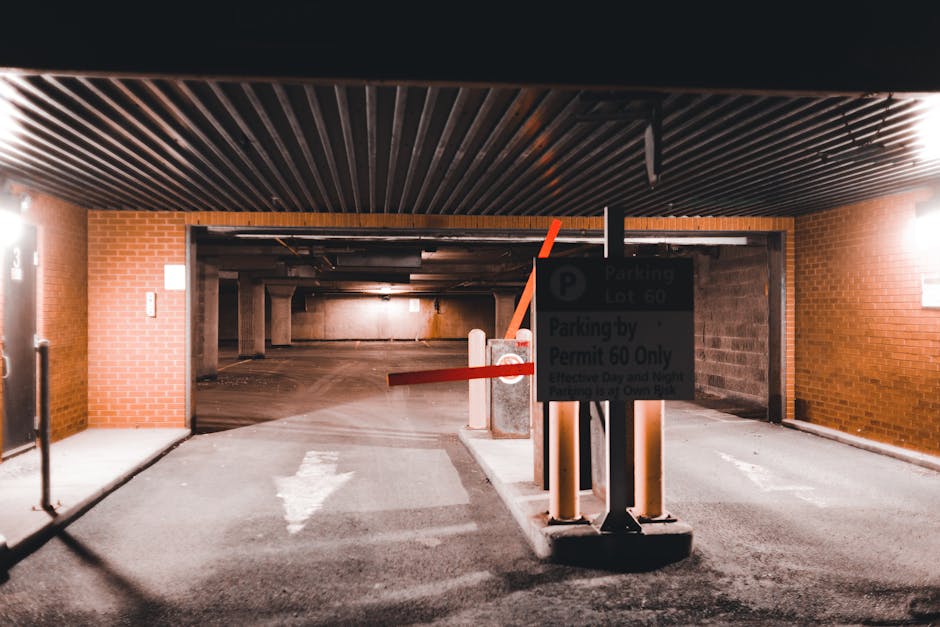
N22 removals: parking permits and restrictions guide
Posted on 07/05/2026

If you are planning a move in N22, the difference between a smooth removal day and a stressful one often comes down to something very ordinary: where the van can stop. Parking permits, loading bays, yellow lines, controlled parking zones, timed restrictions, and local access rules all shape how efficiently a move happens. Get them wrong and you can lose time, pay avoidable penalties, or force heavy items to be carried much farther than expected. Get them right and the day feels calmer, faster, and far more controlled.
This guide breaks down the practical side of N22 removals: parking permits and restrictions guide in plain English. It is designed to help you plan ahead, understand what usually causes problems, and make sensible decisions before moving day. If you are also getting the rest of the move in order, it may help to read how decluttering first makes everything easier and a practical packing guide for a stress-free house move so the parking plan sits inside a better overall moving plan.
Why N22 removals: parking permits and restrictions guide Matters
N22 covers busy residential streets, narrow access routes, and stretches where parking space is limited even on a quiet day. On moving day, that pressure gets amplified. A removal van is larger than a family car, needs room to load safely, and often has to sit close to the property for longer than a standard delivery vehicle. If the nearest legal bay is a long walk away, the team spends more time shuttling boxes than actually moving them.
That matters for more than convenience. Parking restrictions affect cost, timing, safety, and even the condition of your belongings. Long carries increase the chance of knocks, dropped items, and fatigue. Delays can ripple through the rest of the day, especially if your move involves a chain, a lift booking, or strict access windows. In a place like N22, a well-prepared parking plan is not a nice extra. It is part of the move itself.
There is also a trust element. A professional mover who plans parking carefully is showing that they understand the street-level realities, not just the inventory list. That is one reason many people prefer a company that can coordinate the logistics as well as the lifting. For a wider picture of service options, you may want to explore the services overview and the local removal services in Whitechapel page to see how those practical details fit into a broader move plan.
How N22 removals: parking permits and restrictions guide Works
At a basic level, parking for a removal van in N22 comes down to three questions: where can the vehicle stop, for how long, and under what conditions? The answers depend on the exact street, the time of day, the type of road marking, and whether the location sits inside a controlled parking zone or a loading-restricted area.
Most moves involve some combination of the following:
- checking whether parking is allowed outside the property
- finding out if a permit, visitor permit, suspension, or dispensation is needed
- confirming any time limits on loading or waiting
- understanding whether double yellow lines can be used for active loading only
- making sure the van will not block driveways, crossings, or essential access
In practice, this often means balancing what is technically possible with what is genuinely workable. A road might allow loading for a short period, but if the van has to move every few minutes or if access is unreliable, that is not ideal for a house move. A permit may solve the issue, but it needs to be requested in good time. And even when a street appears straightforward, there can be operational complications such as roadworks, school pick-up traffic, narrow corners, or residents already using the bay.
The safest approach is to assume the parking arrangement needs confirmation rather than relying on memory or hope. Moving day has enough surprises already; parking should not be one of them.
Key Benefits and Practical Advantages
Sorting parking and restrictions in advance is one of those small tasks that pays back in several ways. It sounds administrative, but the practical upside is significant.
- Faster loading and unloading: when the van is close to the entrance, the crew can work more efficiently.
- Lower risk of damage: shorter carrying distances reduce the chance of scuffs, bumps, and dropped items.
- Less stress on the day: nobody wants to discover a parking problem while the sofa is already halfway down the stairs.
- Reduced risk of penalties: the wrong stop or an expired arrangement can lead to fines or enforcement action.
- Better coordination with neighbours and building managers: early notice helps avoid avoidable disputes.
- More accurate scheduling: the removal company can plan labour and vehicle positioning properly.
There is another benefit that is easy to overlook: confidence. Once the parking side is handled, you can focus on the jobs that actually move the move forward, such as disassembly, boxing, labels, and final checks. If the rest of the house is still a work in progress, the guidance in this pre-move cleaning article can help you leave the property properly prepared.
Who This Is For and When It Makes Sense
This guide is relevant to anyone moving within or out of N22, but some moves depend on parking planning more than others. If your property sits on a main road, near a busy junction, in a terrace with limited frontage, or inside a controlled parking area, you will almost certainly benefit from arranging the vehicle position in advance.
It is especially useful if you are:
- moving from a flat with shared access or limited outside space
- using a larger van or multiple vehicles
- moving bulky furniture such as wardrobes, beds, sofas, or pianos
- working to a narrow time window
- moving with children, pets, or vulnerable family members who make timing more delicate
- coordinating a landlord check-out, inventory appointment, or building concierge slot
For students, the same logic applies, just with a different scale. Even a smaller move can become awkward if the nearest legal stopping point is far away. If that sounds familiar, student removals support is worth looking at because student moves often combine tight budgets, short notice, and awkward access in one neat package.
In short, if your move requires a van, there is a decent chance parking arrangements matter more than you first think. That is true whether you are moving a one-bed flat or a full family home.
Step-by-Step Guidance
Here is a clear way to handle parking permits and restrictions without turning it into a second job.
- Identify the exact pickup and drop-off points. Do not just assume the road name is enough. Note the entrance, nearest side street, bay markings, and any gate or courtyard access.
- Check the road restrictions for both addresses. Look for controlled parking zones, loading restrictions, permit-only bays, and timed waiting limits.
- Confirm whether a permit or suspension is needed. Some areas may require visitor permission or a special arrangement for a removal vehicle. Others may simply need careful timing.
- Ask how long the van is likely to need. A small studio move and a three-bedroom home do not need the same parking plan.
- Build in a buffer. Always allow more time than the ideal scenario. Real moves rarely go exactly to the minute.
- Tell your removal company early. Give them the parking details before moving day, not while they are circling the block.
- Prepare a backup plan. If the front of the property is unavailable, know where the van can legally wait nearby.
- Keep proof and references handy. If a permit or booking confirmation has been arranged, save it in your phone and in email.
A practical example: if a van can only stop for loading in a narrow bay, then packing boxes close to the door, disassembling furniture early, and clearing hallways becomes much more important. You can make that side of the move easier by reading a guide to stress-free packing and, if you need to lighten the load first, these decluttering tips.
Expert Tips for Better Results
These are the small details that often separate a tidy move from a chaotic one.
- Measure the practical carry distance. Twenty metres may not sound like much, but it adds up fast with heavy boxes and awkward furniture.
- Think about weather. Rain, wind, and icy pavements make long carries slower and riskier.
- Check for temporary restrictions. Roadworks, event closures, and refuse collection can change what is normally possible.
- Coordinate with neighbours. A quick conversation can prevent a blocked bay or a misunderstanding about loading space.
- Reserve ground-floor items for first loading. Keep heavy or essential pieces near the exit if parking is tight.
- Use labels that help with timing. If items need to go in the van first, mark them clearly.
Truth be told, good parking planning often looks boring from the outside. That is exactly why it works. It removes drama. And on moving day, boring can be a compliment.
If you are dealing with especially awkward items, it is worth reading about why DIY piano moving is usually a bad idea and safe ways to lift heavy objects solo. Both are useful reminders that access and handling are linked.
Common Mistakes to Avoid
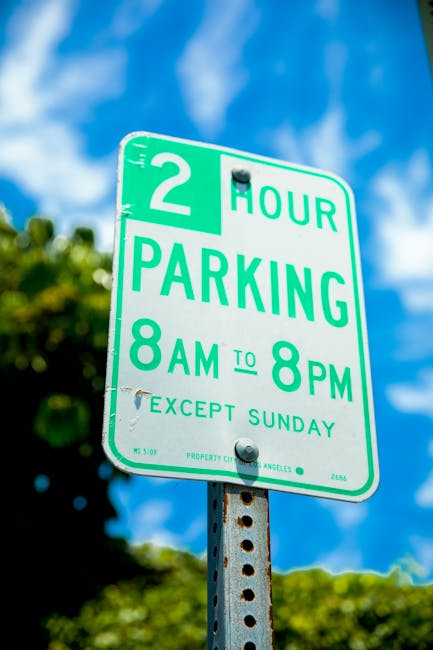
Most parking-related problems are preventable. The tricky part is that they usually start with small assumptions.
- Assuming the bay is free: it may be free at one point in the day and occupied when the van arrives.
- Ignoring loading limits: some spaces are not suitable for extended loading, even if they look close enough.
- Leaving permit checks to the last minute: a delay in approval or confirmation can force a rushed workaround.
- Forgetting the destination address: parking on the collection side does not solve access at the new property.
- Not accounting for larger vans: a space that works for a car may not work for a removal vehicle.
- Blocking access paths: this can create safety issues and upset neighbours quickly.
- Failing to brief the movers: even a good parking arrangement can go wrong if the crew does not know it exists.
One common pattern is this: the move is going well, the van is loaded, then everyone discovers there is nowhere legal to wait outside the new address. Suddenly the schedule slips. A few minutes spent checking earlier would have saved an hour of pressure later.
Tools, Resources and Recommendations
You do not need a huge toolkit to handle this well, but a few resources make the job much easier.
- Street view or mapping tools: useful for checking width, turning space, and likely stopping points.
- Council or local parking information: the most reliable source for zone rules, restrictions, and permit processes.
- Move inventory list: helps estimate how long loading will take and whether the van needs to stay close.
- Floor plan or building notes: especially helpful for flats, estates, or properties with rear access.
- Box labels and room lists: keep loading organised when parking is tight and time matters.
For related move preparation, these pages can help build a better end-to-end plan: packing and boxes support, storage options, and general removals services. If you are weighing vehicle size or service style, the man with a van option and removal van service are both useful starting points.
Law, Compliance, Standards, or Best Practice
Parking and loading during a move is not only a convenience issue; it also touches on compliance and public safety. The exact rules depend on the location, but the general principle is simple: you should stop only where permitted, observe any time limits, and avoid creating danger or obstruction.
In the UK, local authorities set many of the practical parking rules, so the correct answer is often street-specific rather than borough-wide. That means you should not rely on a neighbour's old arrangement or on what worked for a previous move. Councils can change restrictions, bay markings can be refreshed, and temporary notices can override the usual pattern.
Best practice usually includes:
- checking the latest local parking guidance before the move
- using loading only where loading is actually permitted
- keeping access clear for emergency services, pedestrians, and residents
- following permit conditions exactly, including time windows
- making sure drivers understand where they can and cannot wait
If a building has its own rules, those matter too. Flat developments, managed estates, and office buildings may have separate booking requirements, concierge instructions, or restricted service access. In those cases, parking planning is not just about the street outside; it is also about site access. For building-related moves, flat removals and office removals are useful references because they usually involve more access coordination than a simple front-door move.
Options, Methods, or Comparison Table
Different access situations call for different approaches. The right one depends on the road, the timing, and how much you are moving.
| Approach | Best for | Advantages | Limitations |
|---|---|---|---|
| Standard roadside loading | Quiet streets with practical stopping space | Simple, fast, low admin | Can fail if the space is taken or time-limited |
| Permit-based parking | Controlled zones and resident-heavy streets | More reliable access near the property | Requires advance planning and confirmation |
| Timed loading only | Short moves or well-organised collections | Works without a long parking reservation | Not ideal for larger homes or slow packing |
| Alternative nearby stop | Busy roads or restricted frontages | Offers a backup when the closest bay is unavailable | Longer carry distances and slower loading |
If you are not sure which option fits your move, think in terms of risk rather than convenience. The closer the move is to a busy road, a narrow frontage, or a strict time slot, the more valuable a confirmed arrangement becomes. For larger household moves, house removals support is often the best match because the planning burden is higher.
Case Study or Real-World Example
Imagine a two-bedroom flat move in N22 where the property sits on a residential street with limited on-street space. The first instinct is to park directly outside, load quickly, and get going. But on arrival, the nearest bay is occupied, the opposite side has time restrictions, and there is a school nearby with morning traffic building rapidly.
Without a plan, the crew ends up parking farther down the street, which means carrying mattresses, boxes, and a dining table a much longer distance. The move still happens, but it takes more time, more effort, and a bit more patience than anyone would like.
Now compare that to a better-prepared version. The mover checks the street in advance, confirms the parking limits, arranges a suitable stop, and tells the crew exactly where to approach from. Boxes are labelled, bulky furniture is dismantled earlier, and the front path is clear. The result is not miraculous; it is simply organised. But that organisation saves time and lowers stress in a very real way.
This is also where smart preparation compounds. A cleaner exit helps the final walkthrough, which is why many people pair parking planning with move-out cleaning guidance and, for items that need special care before or after the move, freezer storage advice or sofa storage tips.
Practical Checklist
Use this checklist before moving day so the parking side is covered properly.
- Confirm the full pickup and drop-off addresses
- Check whether both roads have parking restrictions
- Identify permit-only bays, loading bays, or yellow-line restrictions
- Ask whether a permit, visitor arrangement, or temporary suspension is needed
- Notify the removal team of access details in advance
- Measure or estimate the carry distance from the vehicle to the door
- Check for roadworks, school traffic, events, or temporary closures
- Speak to neighbours or building management if shared space is involved
- Prepare a backup parking plan nearby
- Keep confirmations, permit references, and contact numbers easily accessible
- Make sure bulky items are ready to load first
- Leave enough time for the van to position safely without blocking access
Expert summary: The smartest approach to parking in N22 is to treat it as a moving-day task, not an afterthought. Confirm the rules early, give the removal team the details, and keep a backup option ready. That one habit prevents a surprising amount of stress.
Conclusion
A move in N22 can be perfectly manageable when the parking side is handled properly. The real challenge is rarely the boxes alone; it is the access around them. Parking permits, restriction windows, and loading rules all affect how quickly and safely your belongings can be moved. Once you understand those basics, the rest of the day becomes much easier to control.
If there is one takeaway here, it is this: do not leave parking until the van is already on the way. Check the street rules, confirm the arrangements, and brief everyone involved. That simple discipline saves time, reduces risk, and makes the whole experience feel much more professional.
For a smoother local move, explore the relevant service pages, prepare your packing in advance, and make sure the parking plan is locked in before moving day arrives. If you want support with the move itself, the next step is straightforward.
Get a free quote today and see how much you can save.