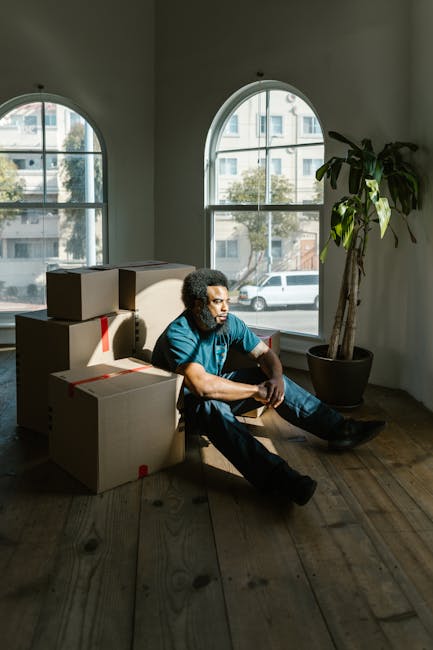
Alexandra Palace moves: safe removals by the venue
Posted on 06/05/2026
Moving anything in or around Alexandra Palace is rarely a simple lift-and-carry job. The venue has its own access routes, loading expectations, event schedules, and safety considerations, so safe removals by the venue need a bit more thought than a normal house move. If you are dealing with bulky furniture, delicate equipment, instruments, or a tight turnaround before an event, the difference between a smooth move and a stressful one usually comes down to planning. Truth be told, that is where many people get caught out.
This guide explains how Alexandra Palace moves work in practice, why safety matters so much, and what sensible preparation looks like before the first box is moved. You will also find a step-by-step approach, a comparison of common removal methods, and a practical checklist you can actually use. If your move involves specialist items, it may help to read our guide on moving pianos safely with specialist support or our advice on safe heavy lifting when you are tempted to do it alone.
For anyone planning removals near the venue, the goal is not just speed. It is control, access, protection, and a calm handover. That is what makes a venue move feel manageable rather than chaotic.

Why Alexandra Palace moves: safe removals by the venue Matters
Alexandra Palace is not the kind of place where you simply park outside, open the doors, and get on with it. Venues like this often have shared access points, time restrictions, visitor traffic, protected surfaces, and rules around loading and unloading. That matters because a move that ignores those realities can delay everyone, create damage, and put people at risk.
Safe removals by the venue matter for three reasons. First, the building itself may include stairs, lifts, thresholds, narrow turns, or historic features that need extra care. Second, the people using the venue may include staff, contractors, guests, and the public, so moving safely is not only about your items. It is about everyone nearby. Third, timing is often tight. Event spaces, offices, studios, and hospitality areas can all have fixed windows for access. Miss that window and the whole schedule starts wobbling.
There is also the reputational side, which people sometimes forget. If you are moving equipment for a business, production, or event, a rushed or messy arrival can make everything feel less professional. The van is late, the item is scratched, someone is flustered. Not ideal. A properly planned venue removal avoids that little domino effect before it begins.
For a calmer wider move plan, our article on finding peace and order in a stress-free house move is a useful companion read, especially if your venue move is happening alongside a home relocation.
How Alexandra Palace moves: safe removals by the venue Works
In practical terms, a safe venue removal follows a simple logic: assess, prepare, protect, move, and confirm. The detail changes depending on what you are moving, but the process does not.
1. Pre-move assessment
This starts with understanding the access route. Where will the vehicle stop? Is there space to unload without blocking other users? Are there lifts or only stair access? Are there weight limits or height restrictions? A good assessment also checks the item list. A piano, a sofa, a display cabinet, a freezer, or office equipment all behave differently during a move. That is obvious enough, but people still forget it at the point of booking.
2. Risk-aware preparation
Once the route is understood, each item should be prepared properly. That may mean removing loose parts, securing doors, wrapping edges, and protecting floors. If you are moving upholstered items or temporarily storing them, our guide to sofa storage and protection explains why coverings and positioning matter more than most people think. The same principle applies to venue removals: a good wrap is not just neat, it prevents wear.
3. Load and transport with control
Loading should be organised so the heaviest and most awkward items are secured first. It sounds basic, but the reality in the back of a vehicle can get messy fast. The wrong stack means movement, pressure points, and avoidable damage. In a venue setting, that can be especially awkward because time is limited and you often cannot just stop and re-pack at leisure.
4. On-site placement
Venue removals are not finished when the item lands at the entrance or in the van. Placement at the destination matters too. If the item is going into a studio, office, flat, or storage unit, it should be checked for damage, positioned correctly, and made safe for immediate use. It is a small step, but a very important one.
If your move involves packed boxes as well as larger items, it is worth reviewing our packing guide for moving house efficiently and our service page for packing and boxes support. Good packing reduces pressure on everything else.
Key Benefits and Practical Advantages
There are obvious benefits to using a safer, more structured approach. But there are also a few quieter advantages that show up later, when you are no longer in the middle of the move and the stress has dropped away.
- Less damage: Items are better protected from knocks, scrapes, and crushed corners.
- Faster handovers: A clear process helps you stay within access windows and venue timings.
- Less disruption: Good planning keeps corridors, entrances, and loading areas moving.
- Better lifting safety: Fewer rushed movements means fewer strains and awkward near-misses.
- Cleaner finish: Professional removals tend to leave a better impression on both sides of the move.
There is another benefit that is easy to underestimate: confidence. When you know what is happening and why, the whole move feels less dramatic. You still need to pay attention, of course, but you are not guessing at every turn.
For anyone trying to reduce clutter before the move, a quick read of our decluttering guide can save you time, money, and a surprising amount of lifting.
Who This Is For and When It Makes Sense
Safe removals by the venue are useful for a lot more people than you might expect. It is not just for large-scale productions or major commercial operations. In and around Alexandra Palace, the need can be just as relevant for smaller jobs that simply have awkward access or fragile items.
- Event organisers moving equipment, staging pieces, signage, or display items.
- Businesses and offices relocating furniture, files, IT equipment, or stock.
- Performers and technicians handling instruments, audio gear, lighting, or props.
- Residents and tenants moving bulky items in nearby flats or shared buildings.
- Students and short-term movers who need fast, simple help and clear timing.
It makes sense when the item is awkward, the timing is tight, or the venue has rules that would make a casual DIY approach risky. To be fair, even a fairly small move can become complicated if the access is narrow and the item is heavy. A small sofa can feel enormous on a twisty staircase. A bed frame can do a strange little dance in a lift. Not funny at the time, though.
If your move is more domestic than commercial, our house removals support and flat removals service may also be useful. For smaller, more flexible jobs, a man and van option can be a practical fit.
Step-by-Step Guidance
Here is a sensible way to approach a venue removal without making it more complicated than it needs to be.
- List everything that needs moving. Include dimensions, approximate weight, and whether anything is fragile, valuable, or awkwardly shaped.
- Check access details early. Confirm where loading can happen, whether there are time slots, and whether any venue contact needs advance notice.
- Separate specialist items. Pianos, oversized furniture, delicate instruments, and heavy appliances often need individual handling plans.
- Prepare packing materials. Use proper boxes, wrap, tape, blankets, and tie-downs rather than improvising with whatever is lying around.
- Protect the venue environment. Floor coverings, corner protectors, and careful turning can prevent costly marks and complaints.
- Load in a sensible order. Keep items stable, avoid dead space where things can slide, and strap everything down securely.
- Check items on arrival. Look for scuffs, loose fittings, or anything that shifted during transport.
A small but useful clarification: if your move includes storage before final delivery, do not pack as though everything is staying in a loft for a year. If you need temporary holding space, our storage options can help with the transition. Also, if you are storing an appliance, our article on safe storage for an unused freezer is worth a look because appliance prep gets missed all the time.
And if the move is happening on a very tight timeline, you may benefit from our same-day removals service. Not every move can be planned weeks ahead. Life has a habit of springing things on you, doesn't it?
Expert Tips for Better Results
The best venue removals are usually the boring ones. No drama, no last-minute panic, no one trying to wedge a chest of drawers through a gap that is clearly too small. That calm outcome normally comes from a few experienced habits.
Measure twice, move once
Measure not just the item, but the route. Door widths, lift capacity, stair bends, ceiling height, and even awkward sign brackets can matter. A route that looks fine in your head may turn into a problem at the first corner.
Use the right help for the right item
Not everything should be moved by the same method. A dining table is one thing. A concert piano is another. If something is valuable, unusually heavy, or easy to damage, specialist handling is usually the sensible call. Our page on piano removals is a good example of the kind of dedicated support that can save a lot of worry.
Keep a clear item order
Label each item or box with its destination room or area. In a venue, that might mean "main hall storage," "office," "green room," or "loading exit." The clearer the label, the less shuffling later. Simple, but brilliant.
Plan for the weather and the time of day
In London, a wet pavement, a busy weekend, or an early evening departure can change the feel of a job quite a bit. Damp floors, low light, and congestion all add pressure. A small buffer helps.
Allow for the human factor
Someone will probably forget one final cable, remote, or drawer insert unless you build in a proper end check. That is just life. So leave a few minutes for a final walk-through before the vehicle leaves.
If you want a broader service overview before booking, the services overview explains the kinds of removals and support available, while our page on removal services is useful for understanding what can be combined into one job.
Common Mistakes to Avoid
Some mistakes are obvious after the fact. They are less obvious when you are in a rush and trying to keep everybody happy. That is usually when they happen.
- Underestimating access: A van can be close to the venue and still not be in the right spot for safe loading.
- Skipping protection: Bare furniture legs, unwrapped corners, and loose lids are asking for trouble.
- Using too few people: If something really needs two or three trained handlers, do not try to "make do".
- Rushing fragile items: The quicker method is not always the safer one.
- Ignoring venue rules: Even informal access expectations need to be respected.
- Poor communication: If the venue contact, mover, and client are not aligned, tiny misunderstandings become annoying delays.
One of the biggest errors is simply starting too late. Packing the night before is fine for a pillow and a charger. It is not fine for a venue move with multiple pieces and limited loading access. If that sounds uncomfortably familiar, you are not alone.
For small-item organisation, our guide to moving your bed and mattress like a pro and the related packing resources can help you avoid the usual last-minute scramble.
Tools, Resources and Recommendations
A safe removal is often less about muscle and more about preparation. The right tools make awkward moves feel manageable, and they reduce the odds of damage or strain.
| Tool or Resource | Why It Helps | Best Use |
|---|---|---|
| Furniture blankets | Protects surfaces and corners | Tables, cabinets, instruments, electronics |
| Ratchet straps or tie-downs | Keeps items secure in transit | Vehicle loading and tall items |
| Protective wrap | Reduces scratches and dust | Upholstery, polished finishes, accessories |
| Floor runners | Protects venue flooring | Entrance routes, corridors, and staging areas |
| Labels and markers | Speeds up placement and unpacking | Boxes, cables, detachable parts |
| Storage support | Keeps items safe between locations | Delays, phased moves, overflow items |
For businesses and households alike, packing materials matter more than people expect. Our packing supplies and boxes page is a useful place to start if you need better structure before moving day. And if you are comparing service types, looking at man with a van versus more fully managed removals can help you choose the right level of support.
If you are decluttering before a move, our article on .
For a cleaner, more efficient setup before moving day, read the move-out cleaning routine guide. It is especially useful if you are handing over a venue space, studio, or office and want to leave it in good shape.
Law, Compliance, Standards, or Best Practice
For venue removals in the UK, the sensible approach is to treat safety and access as operational requirements, not optional extras. You do not need to become a compliance specialist to do this well, but you should work in line with common moving and workplace safety expectations.
That usually means the following:
- Manual handling should be realistic: Heavy or awkward items should not be lifted by one person if that creates obvious risk.
- Risk should be assessed in advance: Especially where stairs, narrow routes, fragile floors, or awkward items are involved.
- Property access should be respected: The venue may have loading instructions or operational restrictions.
- Insurance and safety matters should be clear: You want to know what happens if something is damaged, delayed, or difficult to move.
- Accessibility considerations should be handled properly: Routes need to work for people, not just for boxes and trolleys.
For more detail on our approach to safety and customer protection, you can review our health and safety policy and insurance and safety information. Those pages are there for a reason. They matter when the pressure is on.
Best practice is also about being honest. If an item is too large for a simple move, say so. If access is tighter than expected, adjust the plan. If a delay may affect the schedule, communicate early. That is the difference between a job that feels controlled and one that feels improvised.
Options, Methods, or Comparison Table
There are a few ways to approach Alexandra Palace moves, and the best one depends on what you are moving, how urgent it is, and how much coordination the venue requires.
| Method | Best For | Advantages | Trade-Offs |
|---|---|---|---|
| Self-move with helpers | Small, light, straightforward items | Lowest direct cost, flexible timing | Higher physical strain, more risk, more organising |
| Man and van | Moderate loads and short-distance removals | Practical, flexible, often quicker than DIY | May not suit specialist items or complex access |
| Full removal service | House, office, and venue moves with multiple items | More structured, more support, better for busy schedules | Usually more expensive than basic transport |
| Specialist item removal | Pianos, antiques, heavy appliances, sensitive gear | Tailored handling, better protection, lower specialist risk | Requires more planning and sometimes extra cost |
For many people, the middle route is the sweet spot. A flexible transport service paired with proper preparation is often enough. But for awkward or high-value items, specialist handling is the safer choice. If you are unsure, compare your needs against our removal companies information and think about the level of support you actually want on the day.
Case Study or Real-World Example
Imagine a small event team clearing equipment from a venue space after an evening event. They have folding tables, boxed display items, a heavy speaker unit, and a large framed sign. Nothing sounds dramatic on paper. But the exit route is shared, the lift is narrow, and the handover has to finish before the next day's setup crew arrives.
The team that does well in this scenario usually follows a simple pattern. They label everything before loading starts. They identify the heaviest item first and give it proper support. They wrap the framed sign so it cannot rub against the lift wall. They keep the loading area clear and leave a final ten-minute buffer for a sweep of the space. Nothing fancy. Just thoughtful.
The team that struggles tends to rely on goodwill and guesswork. One person disappears to find tape. Another assumes the speaker will fit through a doorway because it "looked okay earlier." Somebody rushes the last box, and now there is a scuff on a painted surface. A small annoyance becomes a bigger one. You know the sort of thing.
That is exactly why Alexandra Palace moves: safe removals by the venue are less about brute force and more about sequencing. When the move is planned around the venue rather than against it, the whole process becomes calmer and safer. If you need help balancing access, timings, and item type, our about us page explains the kind of local, practical support we provide, while pricing and quotes can help you understand the next step.
Practical Checklist
Use this checklist before move day. It is deliberately simple, because complicated checklists get ignored. This one should not.
- List every item and note any fragile or specialist pieces.
- Confirm venue access times and loading instructions.
- Measure doorways, lifts, stair turns, and vehicle access points.
- Book the right level of support for the load.
- Gather boxes, wrap, blankets, tape, and labels.
- Protect floors, corners, and delicate surfaces.
- Separate cables, fixings, and loose components in labelled bags.
- Arrange storage if there is a gap between collection and delivery.
- Check insurance and safety arrangements.
- Build in time for a final walk-through before departure.
A quick bit of honest advice: if you are already at the point where you are improvising with supermarket bags and old duvets, stop and reset for ten minutes. It will save you hassle later. Usually.
Key takeaway: the safest venue removals are the ones that respect access, protect the item, and leave enough time for everyone to work without rushing. That is the whole game, really.
Conclusion
Alexandra Palace moves: safe removals by the venue are about more than getting things from A to B. They are about working with the space, not fighting it. When you plan access properly, protect every item, and choose the right level of help, the move becomes smoother, safer, and far less stressful for everyone involved.
Whether you are relocating equipment, furniture, instruments, or office items, the same principles apply: measure carefully, pack properly, lift sensibly, and do not leave the tricky bits until the last minute. If the job feels bigger than expected, that is usually a sign to bring in experienced support, not a reason to push harder.
And if you are still weighing up the best route, start with the basics, ask the right questions, and give yourself a little breathing room. Moves feel better when they are handled properly. They really do.
Get a free quote today and see how much you can save.