Eco furniture disposal in Wood Green: reuse and recycle
If you have a tired sofa, a heavy wardrobe, or a desk that has outlived its best days, you are not alone. Eco furniture disposal in Wood Green: reuse and recycle is really about making a sensible choice with bulky items that still have value, usable parts, or recyclable materials. Instead of sending everything straight to landfill, you can sort, donate, repurpose, dismantle, and recycle in a way that feels cleaner, cheaper, and a bit less wasteful. That matters in a busy area like Wood Green, where flats are tight on space and clearance days can feel like a small logistics puzzle.
This guide walks through the practical side of doing it well: what eco disposal actually means, how the process usually works, which items are worth saving, what to avoid, and how to make the whole thing less stressful. If you want a removal service that understands sustainability, you can also review the company's recycling and sustainability approach and compare options through pricing and quotes. Small decisions add up. And yes, one wonky chest of drawers can still turn into a surprisingly complicated afternoon.
Contents
- Why eco furniture disposal matters
- How reuse and recycling usually works
- Key benefits and practical advantages
- Who this is for and when it makes sense
- Step-by-step guidance
- Expert tips for better results
- Common mistakes to avoid
- Tools, resources and recommendations
- Law, compliance, standards and best practice
- Options and comparison table
- Case study or real-world example
- Practical checklist
- Conclusion
- Frequently asked questions
Why Eco furniture disposal in Wood Green: reuse and recycle Matters
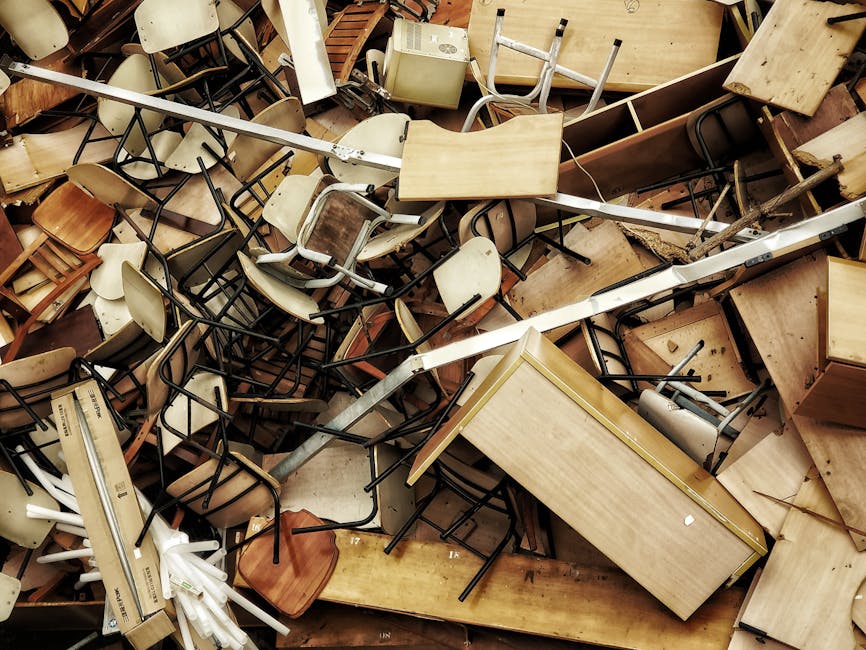
Furniture disposal sounds simple until you are standing in a hallway with a bed frame, two broken shelves, and a dining table that will not fit through the door. Eco disposal matters because furniture is bulky, expensive to move, and often made from mixed materials. A single item can contain wood, metal, foam, textiles, adhesives, and fixings, which means there is usually more than one route for it to leave your home responsibly.
There is also a local reality here. In Wood Green, many homes are in flats, shared properties, or period buildings with narrow stairs and limited storage. That makes "I'll sort it later" a risky plan. The longer furniture sits around, the more likely it becomes a nuisance, a fire safety issue, or an obstacle during a move. To be fair, most people do not want a hallway that looks like a furniture graveyard.
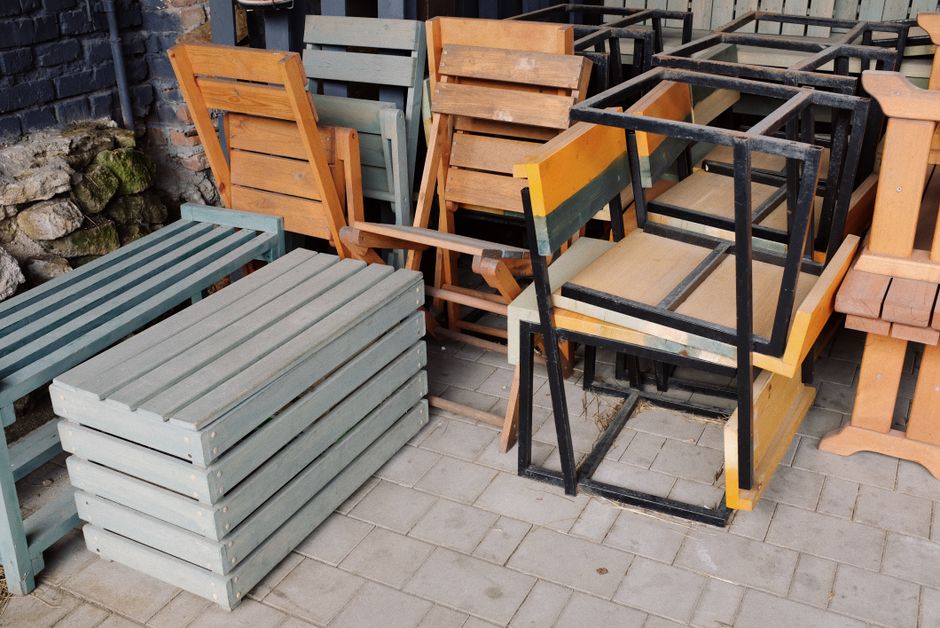
Eco disposal also helps you think more carefully about what should be reused first. A solid oak table with cosmetic scratches may only need a little repair. A wardrobe with a damaged hinge may still have life in its carcass, shelves, or hardware. Even if recycling is the end result, separating parts properly improves the chance that materials are recovered rather than wasted.
Expert summary: the greenest furniture disposal option is usually the one that keeps the item in use the longest, whether that means reuse, repair, resale, donation, or careful recycling.
How Eco furniture disposal in Wood Green: reuse and recycle Works
The process is best thought of in layers. First comes reuse. Then comes recycling. Only after that should you think about disposal as waste. That order sounds obvious, but it is the bit many people skip when they are rushing a move or clearing an office. And rushing is exactly when perfectly usable items get binned.
1) Assess the item honestly
Start with a quick but fair look at condition. Ask yourself: is it structurally sound, safe to use, and easy to clean? Does it have a strong smell, active mould, broken load-bearing parts, or deep damage? If the answer is yes to the wrong things, reuse probably is not realistic. If the damage is minor, repair or donation may still work.
2) Separate reusable parts from waste
Some items are not all-or-nothing. A cupboard may be too damaged to keep intact, but its hinges, handles, or shelves may be useful. A desk may have salvageable metal legs even if the top is scratched beyond saving. That is where careful dismantling helps. It also makes transport easier, which is handy if you are using a man with van style service for collection.
3) Choose the best route for each item
Reusable items can be passed on, reused in another room, or moved to a place where they are wanted. Items that are not reusable should be sorted for recycling where possible. Mixed material furniture often needs disassembly so components can be handled separately. This is where a responsible furniture pick up service can be useful because the lift, carry, and sorting all happen in one go.
4) Move the item safely
Furniture disposal is not just about ethics. It is about back safety, stair safety, and not scuffing the walls on the way out. If you have ever tried to pivot a wardrobe on a landing, you know the exact moment when confidence leaves the room. Services such as man and van removals or broader removal services can make the practical side much simpler.
5) Send materials to the right end point
Metal parts, untreated wood, some plastics, and textile components may be suitable for recycling streams, depending on local handling and condition. The important thing is not to guess. If an item is contaminated, wet, mouldy, or heavily mixed, its recycling potential may be lower than it first appears.
Key Benefits and Practical Advantages
Eco furniture disposal is not just a feel-good label. It has very practical advantages, especially when you are clearing a house, refreshing an office, or moving out of a rented property.
- Less waste: usable furniture stays in circulation for longer.
- Lower stress: a planned disposal process is calmer than a last-minute scramble.
- Better space management: rooms clear faster when items are sorted early.
- Safer handling: proper lifting and dismantling reduce the chance of injury or damage.
- Cleaner handover: useful for end-of-tenancy moves and office exits.
- Possible cost savings: reuse or grouped collection can be more efficient than multiple trips.
There is also a less obvious benefit: you make better decisions next time you buy furniture. Once you have seen how much effort one oversized, chipboard-heavy wardrobe takes to remove, you tend to think twice before buying another one that only lasts a couple of years. That is not a bad lesson at all.
If you are preparing a bigger move, it can help to coordinate disposal with home moves or even house removals, so unwanted furniture is separated from the items you are keeping. Cleaner sorting usually means cleaner outcomes.
Who This Is For and When It Makes Sense
Eco furniture disposal in Wood Green makes sense for a wide range of people, and not all of them are in the middle of a big clear-out. In practice, it is often the right move when furniture is being replaced, relocated, or removed because of a life change.
You may need it if you are:
- moving home and want to avoid taking old bulky pieces with you
- decluttering a flat before letting it, selling it, or redecorating
- closing or refreshing an office and clearing desks, chairs, or storage units
- replacing one or two damaged items rather than doing a full room makeover
- helping a relative downsize and needing a gentle, tidy process
It is also useful for landlords, letting agents, and small businesses. A room can look almost finished, then one old sofa makes the whole place feel cluttered. In those moments, a reliable removal company or a more flexible man and van option can be a practical fit, depending on volume and access.
One thing to remember: not everything "old" is waste. A dining table with sturdy joints may be worth repainting. A bureau might suit someone else's space perfectly, especially if the style is still good. The question is less "Is it new?" and more "Is it useful?"
Step-by-Step Guidance
If you want the process to stay manageable, follow a simple sequence. It sounds almost too basic, but it works.
- Make an item list. Write down what needs to go. Include large pieces, side tables, broken chairs, mattresses, and anything with detachable parts.
- Sort by condition. Separate reusable items, repairable items, recyclable components, and true waste.
- Check access. Measure doorways, stairwells, lifts, and tight corners. Wood Green properties can be charming and awkward in the same breath.
- Remove personal items. Empty drawers, cupboards, and hidden storage. You would be surprised what turns up in the back of a cabinet.
- Dismantle when sensible. Take apart beds, tables, and wardrobes if it makes transport safer and more efficient.
- Protect surfaces. Use blankets, corner protection, or simple wrapping to avoid damage.
- Choose collection or drop-off. For bulky items, a collection service is often the easiest route.
- Confirm the final route. Ask where the items are likely to go: reuse, recycling, or mixed disposal if unavoidable.
If you are short on time, the smartest move is usually to bundle the job with a wider removal plan. For example, if you are moving out of a house, combining furniture disposal with house movers or man with van removal support can reduce duplication. One trip. Fewer headaches. Much better.
Expert Tips for Better Results
The details matter here. A little planning can turn a messy clearance into a tidy, almost satisfying process.
- Photograph items before deciding. A quick photo helps you judge condition more clearly than memory does.
- Keep fixings together. Put screws, bolts, and brackets in labelled bags so reusable furniture can be rebuilt later.
- Separate clean and contaminated items. Clean wood and metal are easier to process than damp or mouldy pieces.
- Think in zones. Clear one room at a time rather than scattering dismantled parts everywhere.
- Check for hidden value. Solid timber, metal legs, drawer runners, and hardware can sometimes be reused on other projects.
One quiet tip from real-world experience: start with the easiest item first. It sounds minor, but it builds momentum. Once the first chair is out, the room stops feeling impossible. Funny how that works.
If you are handling commercial furniture, timing matters even more. Clearances around working hours, floor access, and building rules can all slow things down. In that case, linking disposal planning with commercial moves or office removals can save repetition and keep the workplace usable.
Common Mistakes to Avoid
The most common mistakes are usually very human ones. We all do them. But they can make eco disposal less effective and more expensive.
- Leaving it too late. Panic disposal leads to poor sorting and missed reuse opportunities.
- Assuming every item is recyclable. Mixed materials, contamination, and damage can change the picture.
- Not measuring access. A sofa that looks manageable in the lounge may be a nightmare on the stairwell.
- Mixing reusable and waste items together. Once they are all piled in one place, useful furniture gets treated like rubbish.
- Forgetting hidden storage. Old stationery, books, and cables slow down clearances more than people expect.
- Choosing the wrong vehicle size. Too small and you need multiple trips; too large and you may pay for unused capacity.
Another one: thinking "I'll just take it apart later." Later has a bad habit of turning into never. Better to do the simple prep while you still have daylight and energy.
Tools, Resources and Recommendations
You do not need a warehouse of equipment to dispose of furniture responsibly, but a few basics help a lot.
- Basic hand tools: screwdriver set, Allen keys, adjustable spanner, and pliers
- Protective gear: gloves and sturdy footwear
- Packing materials: tape, sacks, labels, and thick blankets
- Measuring tools: tape measure for doors, lifts, and furniture dimensions
- Transport planning: a van or removal vehicle matched to the load
For many households, the easiest path is not doing everything yourself. A planned collection can be the sweet spot between cost, convenience, and responsibility. If you need help moving the item out without messing up the hallway, a local moving van arrangement or a broader removals near me search on the site can be a useful starting point.
It is also worth checking the company's policies if trust and care are important to you. Pages like insurance and safety and the health and safety policy help set expectations about how items are handled. That kind of detail matters when heavy objects, awkward staircases, and tight deadlines all collide.
Law, Compliance, Standards and Best Practice
Without getting lost in legal jargon, the main principle is straightforward: furniture should be passed on, recycled, or disposed of responsibly, and waste should only go where it is properly managed. In the UK, households and businesses are expected to avoid fly-tipping and use lawful waste routes. For companies, there can be extra duties around record-keeping, duty of care, and the handling of commercial waste.
Best practice usually looks like this:
- keep a clear record of what is being removed
- separate reusable items from waste before collection
- use reputable handlers for bulky items
- avoid leaving items on pavements or in communal areas
- make sure materials are not dumped without a proper destination
For offices, the standard is often higher because furniture may include confidential storage units, IT-adjacent items, and branded equipment. If that sounds like your situation, it is sensible to align clearance with office relocation services or a dedicated commercial moves plan. In practice, that reduces confusion and keeps the move tidy.
One careful note: if you are dealing with items containing hazardous components, mould, or contamination, do not guess. Treat them separately and seek appropriate handling. Better safe than sorry, frankly.
Options, Methods, or Comparison Table
There is no single best method for every piece of furniture. The right choice depends on condition, urgency, access, and how much effort you want to put in.
| Option | Best for | Pros | Trade-offs |
|---|---|---|---|
| Reuse or donation | Good-condition furniture | Keeps items in use, often the greenest route | May require cleaning, photos, and waiting for a match |
| Repair then reuse | Solid items with minor faults | Low waste, often cost-effective | Needs time, tools, and a bit of patience |
| Collection with sorting | Bulky mixed loads | Convenient and practical for flats or awkward access | Depends on service quality and item condition |
| Recycling after dismantling | Broken or non-reusable furniture | Recovers materials where possible | Not every item is fully recyclable |
| General disposal | Items beyond reuse or recycling | Final resort when no better route exists | Least eco-friendly option |
In most real situations, a mixed strategy works best. One table may be reused, one chair repaired, and one broken cabinet broken down for recycling. That is normal. It is not messy; it is sensible.
Case Study or Real-World Example
Consider a typical Wood Green flat clear-out. The occupant is moving on a Friday, the lift is small, and there is a wardrobe that has been in the room for years. It still stands, but barely. There is also a desk, two dining chairs, and a sofa with a broken arm.
The wardrobe is assessed first. The frame is solid, but the doors are warped and one shelf is loose. Instead of treating it as one item destined for waste, the shelves and hardware are removed, the frame is dismantled, and the timber sections are separated. The desk is clean and structurally fine, so it is considered for reuse. The sofa, with its broken arm and heavy fabric wear, is not worth passing on, but the metal legs and some fittings are recovered before the rest is taken away.
What changed the outcome was not luck. It was sorting. A clear list, a bit of dismantling, and a collection plan turned a stressful day into something controlled. There was still dust, a bit of noise, and the usual awkward twisting on the stairs, but the job ended with less waste and less regret.
That sort of result is common when the clearance is planned properly. It does not have to be glamorous. It just has to work.
Practical Checklist
Use this before you arrange furniture disposal:
- Have I separated reusable items from broken ones?
- Have I checked whether anything can be repaired first?
- Have I measured doors, hallways, stairs, and lifts?
- Have I removed personal items from drawers and storage?
- Have I labelled screws, brackets, and loose parts?
- Have I decided which items need collection and which can be moved separately?
- Have I reviewed safety, insurance, and handling expectations?
- Have I booked enough capacity for the load?
- Have I thought about office or home move timing if this is part of a larger move?
- Have I chosen the route that keeps the most material in use?
If you can tick most of those off, you are in good shape. If not, pause and sort the basics first. It saves money, time, and a lot of shoulder strain.
Get a free quote today and see how much you can save.
Conclusion
Eco furniture disposal in Wood Green: reuse and recycle is really about making better decisions with bulky items, one piece at a time. The smartest route is usually the one that keeps furniture in use for as long as possible, then recovers materials cleanly when reuse is no longer realistic. That might mean donation, repair, dismantling, recycling, or a well-planned collection. Sometimes all four, depending on what is in front of you.
What matters most is not perfection. It is intention, sorting, and choosing a practical route that fits your space and your timing. If you are clearing a home, office, or rental property, a little planning goes a very long way. And once the last item is out, the room feels different - lighter, quieter, ready again. That part never gets old.
For a responsible next step, explore the company's recycling and sustainability information or review pricing and quotes when you are ready to move forward.
Frequently Asked Questions
What is eco furniture disposal?
Eco furniture disposal means prioritising reuse, repair, donation, and recycling before sending furniture to general waste. It is a more responsible way to clear bulky items.
Can old furniture be reused if it is scratched?
Often, yes. Light scratches, worn fabric, or cosmetic marks do not always make an item unusable. Structural safety matters more than surface appearance.
What furniture is hardest to recycle?
Items made from mixed materials, heavy adhesive layers, or contamination are usually harder to process. Sofas, some flat-pack furniture, and composite pieces can be awkward.
Do I need to dismantle furniture before disposal?
Not always, but dismantling helps with access, safety, and sorting. Beds, wardrobes, and large tables are often easier to remove in sections.
How do I know whether to reuse or recycle an item?
Ask whether it is safe, clean, and still useful. If yes, reuse is usually the better first choice. If not, recycle what you can and dispose of the rest responsibly.
Is furniture disposal part of a house move?
Very often, yes. People clear old items during moving, downsizing, or redecorating. It is sensible to combine it with a moving plan rather than leaving it until the end.
What if the furniture will not fit through the door?
That is common in older properties and flats. Measure access early and consider dismantling or using a collection service with the right handling equipment.
Can office furniture be handled the same way as home furniture?
The principles are similar, but offices often need better planning because of volume, access timing, and business continuity. Commercial clear-outs benefit from a structured approach.
What should I ask a removal service before booking?
Ask how items will be handled, whether reuse is considered, what happens to recyclable materials, and how access or insurance is managed. Clear answers are a good sign.
How do I reduce waste when replacing furniture?
Buy durable items, repair what you already have where practical, and think ahead about end-of-life handling. Choosing better-made pieces often pays off over time.
Is it worth collecting several items at once?
Yes, usually. Grouping items often makes the job more efficient and reduces repeated lifting, loading, and transport. It also helps you clear the space properly in one go.
What is the most eco-friendly option overall?
The most eco-friendly option is usually reuse first, then repair, then recycling. Disposal should be the last resort when the item is no longer safe or practical to keep in circulation.